
C24 · Cultural & Sporting Goods
Stainless Steel Sheets for Educational, Artistic, Sports and Entertainment Industries: 304/316L Selection and List of Four Parts
In our industry, we have organized four parts using stainless steel: commonly used 304 / 316L / 201, with thickness ranging from 0.5–5 mm.
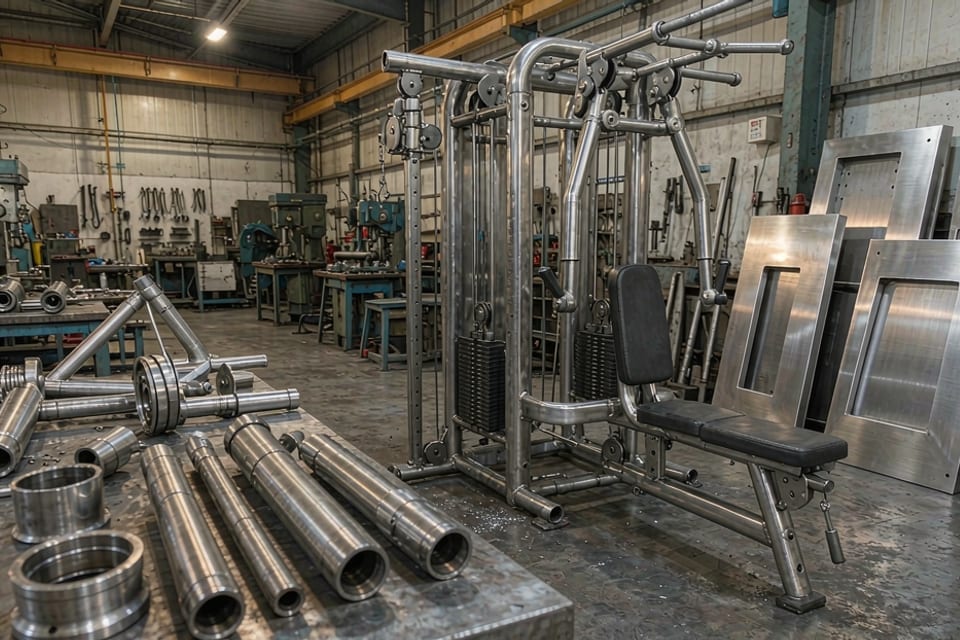
Four parts and material list
| Part / Component | Recommended grade | Size / Thickness | Surface | Table of Contents | Standards |
|---|---|---|---|---|---|
| Weight Blocks, Frames, and Guides for Fitness Equipment | 304/201 | 1.5–5mm | 2B/Polished/Rubber-coated | Sweat + Repeated Friction + Weight Fatigue | GB/T 3280;GB 17498 |
| Pool Stairs/Lawn Railings | 316L | 1.5–4mm | HL/No.4 | Chlorinated Water + Outdoor Atmosphere + Human Contact | GB/T 3280; CJJ Swimming Pool Standards |
| Interior Liners for Workbenches and Fume Hoods | 304/316L | 1.0–3.0mm | 2B/Polished by Electrolysis | Acids, Bases, Solvents, and Wear | GB/T 3280; JG/T Laboratory Equipment Standards |
| Metal Keys and Pull Rods for Musical Instruments | 304/430 | 0.5–3mm | Polished/Satin Finish | Sweat + Frequent Action Wear | GB/T 3280 |
Table InsideConfigurationsSpecify usage conditions for easier material selection.
Material Considerations
- Most common grades used in industry are 304 (1), 316L (2), and 201 (3).
- Consider hardness for wear parts (abrasive, lining, conveying) beyond corrosion resistance.
- Thickness range: 0.5–5 mm—thin plates often formed pieces (bend back & deep drawing cracking), thick plates often welded structures (heat input & sensitization).
Common Issues
What type of stainless steel is used most in educational, artistic, sports, and recreational products industries?
What parts are we counting by total pages?
Which part is the most problematic based on failure description?
For pool stairs/railing, chlorine water + outdoor atmosphere + human contact; recommended grade 316L, size 1.5–4mm.
How thick should the material usually be?
Thickness range in the list is 0.5–5 mm. For thin plates, consider bending and surface finish; for thick plates, welding and structural strength. Values may vary by equipment manufacturer for the same location; review your drawing or operating conditions.
Related materials and adjacent industries
Applications4