
C23 · Printing
Stainless Steel Plates for Printing and Media Replication Industry: Selection of 304/316L and List of 3 Parts
In the Printing and Media Replication Industry, we have organized three parts using stainless steel: commonly used 304 / 316L / 420, with thickness ranging from 0.5–20 mm.
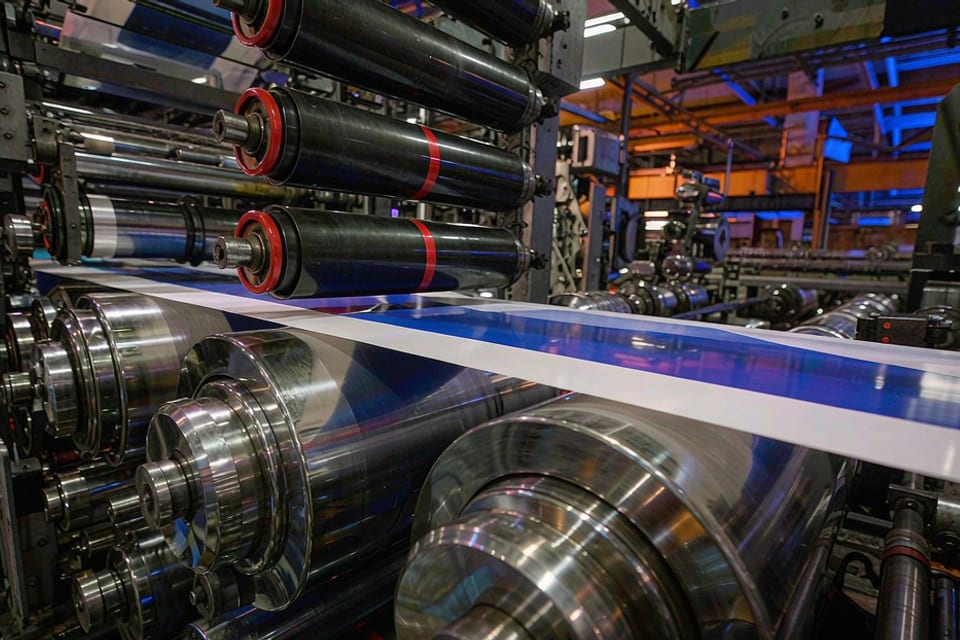
Three parts and selection list
| Part / Component | Recommended designation | Specification / Thickness | Surface | Failure Modes | Standards |
|---|---|---|---|---|---|
| Chuck Roll/Chain Roll (Hard Surface) | 304/316L | Surface 3–15mm | Mirror/Delver/Milled | Solvent corrosion of ink + blade wear + surface scratches | GB/T 3280; Printing Industry Standards |
| Wet Roll/Painting Roll | 304Chrome Coating | Roll Surface 5-20mm | Net Texture/Chrome | Scraper Wear Reduces Net Hole Size + Solvent Corrosion | GB/T 3280 |
| Tweezers/Skimmers | 420/304 | 0.5–3mm | Hardening/Lapping | Ink Wear + Blade Edge Wear | GB/T 1220;GB/T 3280 |
Inside GaugeBasic ConfigurationSpecify usage conditions, it's easier to specify than material grades.
Material Selection Tips
- Most common grades in this industry are 304 (3), 316L (1), and 420 (1) —— numbers in parentheses indicate the number of parts involved, useful for quoting and material ordering.
- What to consider for wear parts (edges, liners, conveyors): hardness, not just corrosion resistance.
- Thickness range 0.5–20 mm: thin plates are formed pieces (consider bending rebound and deep drawing cracking), thick plates are welded structures (consider heat input and sensitization).
Common issues
Which stainless steel is used most in the printing and recording media reproduction industry?
What are the top 3 parts?
See which part is most prone to issues.
Failure description, typically "ink squeegee/transfer roller (hard-faced)": solvent corrosion + blade wear + surface scratches; recommended grades 304/316L, face diameter 3–15mm. This type of condition should be clearly defined in the design phase regarding media concentration, temperature, and cleaning method.
What thickness should I select?
Thickness range in the list is 0.5–20 mm. For thin plates, consider forming and surface quality; for thick plates, welding and structural strength. Values may vary by equipment manufacturer for the same location, review your drawing or operating conditions.
Related materials and adjacent industries
Applications3